
Loading cart contents...
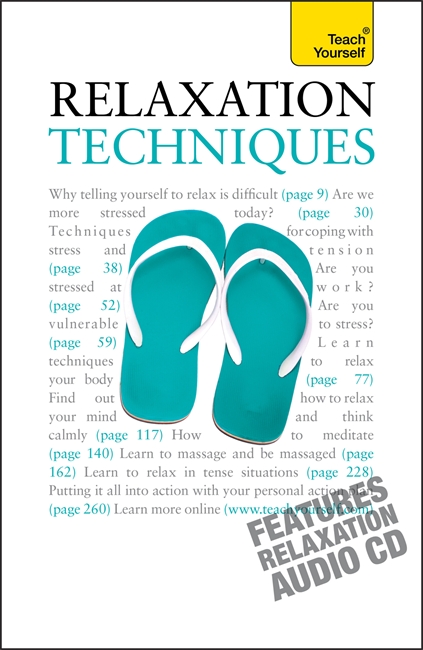
Relaxation Techniques: Teach Yourself
14.99 JOD
Please allow 2 – 5 weeks for delivery of this item
Add to Gift RegistryOnly logged in customers who have purchased this product may leave a review.
Description
Additional information
| Weight | 0.246 kg |
|---|---|
| Dimensions | 1.9 × 13.1 × 19.8 cm |
| Format | |
| language1 | |
| Pages | 304 |
| Publisher | |
| Year Published | 2010-7-30 |
| Imprint | |
| Publication City/Country | London, United Kingdom |
| ISBN 10 | 1444107429 |
| About The Author | Alice Muir is a chartered psychologist and life coach. A qualified counsellor, she runs stress management and coaching courses for both professionals and individuals and is the author of Coping with a Stressed Nervous System (Sheldon Press). |
| Other text | This new edition of Teach Yourself Relaxation not only features enhanced practical application of the subject and fully updated resources, but also offers free audio relaxation techniques at library.teachyourself.com. |
| Table Of Content | : acknowledgements: dedication: introduction01: relaxation – a skill with a long history: benefits of relaxation: uses of relaxation: how to relax: why telling yourself to relax is difficult: relaxation techniques02: relaxation, stress and tension explained: what is relaxation?: the stress response: brainwaves: getting tension levels right: causes of tension: what is stress?: are we more stressed today?: stress and anxiety: panic attacks03: coping with stress and tension: slow down and make time for relaxation: exercise and lifestyle: thinking style: sorting out your priorities: cushioning yourself and feeling good: work stress: what about medication?04: vulnerability to tension or stress: hot spots: personality: attitudes: previous experiences: ways of coping with stress05: relaxing your body: understanding helps you to relax: changes in breathing: symptoms of hyperventilation: basic relaxation prerequisites: progressive muscle relaxation: autogenic training: a good night’s sleep: aids to relaxation06: relaxed body language: body language: relaxation on the go: making things better: cultural differences07: a relaxed mind and calm thinking: how to relax the mind: relaxed thinking: thinking more positively: gaining a sense of controlthinking errors: thinking errors 108: relax your mouth and eyes: using sounds: guided imagery08: relaxing mind and body together: meditation: mindfulness: yoga: t’ai chi: petting an animal: qigong: neuro-linguistic programming: cognitive behaviour therapy09: more alternative and complementary: therapies: massage: reflexology: acupuncture: biofeedback: Alexander technique: reiki: emotional freedom technique: humour and smiling10: making the most of the Internet and: modern technology: for beginners: think before you click: non-computer-based equipment: podcasts on the Internet: biofeedback using a computer: social networking sites: blogs and blogrolls11: relaxation and your feelingsa dual approach: a dual approach 166: anger: your triggers: coping with your anger: coping with someone else who is angry: jealousy: dealing with criticism and put-downs: giving criticism: anxiety: obsessive compulsive disorder12: relaxation in situations: preparing to do anything which might: make you tense: coping with authority figures: interview skills: pointers for exams or tests: making a presentation, speech or short talk13: relaxation and your mood: reasons for mood problems: what you can do to help yourself: coping with depression: dealing with low moods14: what now? relaxation as a way of life: motivation and persistence: visualization: the big picture: personal action plan: taking it further: index |
| series |
Related products
-
![Women in France Since 1789]()
On backorder 2-5 Weeks to Arrive
Add to Gift Registry120.00 JOD -
![Move! The New Science of Body Over Mind]()
On backorder 2-5 Weeks to Arrive
Add to Gift Registry -
![]()
On backorder 2-5 Weeks to Arrive
Add to Gift Registry -
![]()
On backorder 2-5 Weeks to Arrive
Add to Gift Registry14.00 JOD


Reviews
There are no reviews yet.